
Sleep Apnea Often Goes Undiagnosed
Millions of people suffer from sleep apnea without realizing it.
Many assume that loud snoring is simply an annoyance rather than a warning sign of a potentially serious health condition. Others may not recognize symptoms because they occur during sleep.
As a result, sleep apnea frequently remains undiagnosed for years.
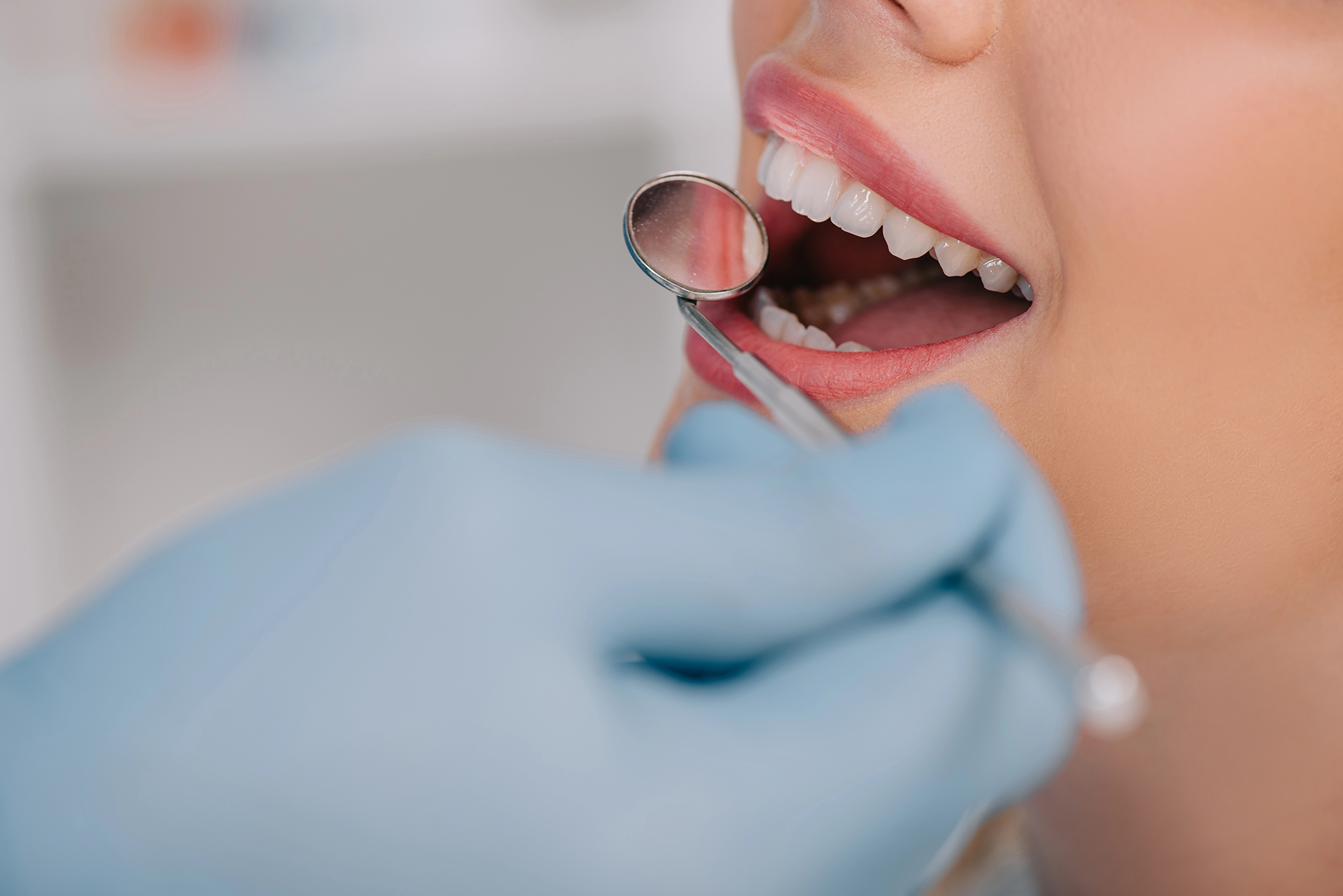
What surprises many patients is that their dentist may be one of the first healthcare providers to recognize the signs.
What Is Sleep Apnea?
Obstructive sleep apnea occurs when the airway repeatedly becomes partially or completely blocked during sleep.
These interruptions can reduce oxygen levels and disrupt normal sleep patterns throughout the night.
Common symptoms include:
- Loud snoring
- Daytime fatigue
- Morning headaches
- Dry mouth
- Difficulty concentrating
- Irritability
- Restless sleep
Left untreated, sleep apnea has been associated with several long-term health concerns.
Why Dentists Often Notice the Signs First
Dentists examine structures that are closely connected to the airway.
During routine evaluations, they may identify physical characteristics and symptoms that suggest an increased risk of sleep-disordered breathing.
This often occurs before patients seek help specifically for sleep concerns.
Dental Clues That May Suggest Sleep Apnea
Teeth Grinding
Many patients with sleep apnea grind or clench their teeth during sleep.
This habit may be the body’s attempt to reopen a restricted airway.
Worn Teeth
Excessive grinding can gradually wear down tooth surfaces.
Dentists frequently notice this damage during routine examinations.
Enlarged Tongue or Restricted Airway Space
The size and position of oral structures can influence airway function.
Certain anatomical findings may increase the likelihood of airway obstruction during sleep.
Dry Mouth
Patients who breathe through their mouths at night often wake up with dry mouth symptoms.
Chronic Jaw Pain
Some individuals experience TMJ-related symptoms that may coexist with airway concerns.
The Health Risks of Untreated Sleep Apnea
Sleep apnea is more than just snoring.
Research has linked untreated sleep apnea to:
- High blood pressure
- Heart disease
- Stroke
- Diabetes
- Fatigue-related accidents
- Cognitive difficulties
Because of these potential risks, early detection is important.
How Dentists Help Patients Get Answers
Dentists do not typically diagnose sleep apnea directly.
However, they can:
- Identify warning signs
- Screen for risk factors
- Discuss symptoms
- Refer patients for appropriate sleep testing
- Provide oral appliance therapy when indicated
This collaborative approach helps ensure patients receive comprehensive care.
Oral Appliance Therapy for Sleep Apnea
For certain patients, custom oral appliances may provide an alternative to traditional CPAP therapy.
These appliances work by helping maintain an open airway during sleep.
Benefits may include:
- Comfortable design
- Portability
- Quiet operation
- Improved compliance for some patients
Treatment recommendations should always be based on professional evaluation and diagnosis.
Don’t Ignore the Signs
If you experience chronic snoring, daytime fatigue, morning headaches, or difficulty staying asleep, it’s worth discussing these symptoms with your healthcare providers.
Your dentist may recognize important clues that point toward an underlying airway issue and help guide you toward the next steps.
Identifying sleep apnea early can lead to better sleep, improved health, and a better quality of life.