Is Snoring Always a Problem?
Snoring is extremely common. In fact, millions of adults snore occasionally, especially during periods of congestion, allergies, or fatigue.
However, while snoring may seem harmless, it can sometimes signal a more serious underlying condition known as obstructive sleep apnea.
Understanding the difference between simple snoring and sleep apnea is important because the two conditions require very different levels of attention and treatment.
What Causes Snoring?
Snoring occurs when air flows through partially narrowed tissues in the throat during sleep.
As the tissues vibrate, they produce the familiar snoring sound.
Common causes of snoring include:
- Nasal congestion
- Allergies
- Sleeping position
- Excess weight
- Alcohol consumption
- Airway anatomy
Occasional snoring may not indicate a significant health concern.
What Is Sleep Apnea?
Sleep apnea is a medical condition in which breathing repeatedly stops or becomes significantly reduced during sleep.
These breathing interruptions can occur dozens or even hundreds of times throughout the night.
Each episode may decrease oxygen levels and disrupt the body’s natural sleep cycle.
As a result, patients often wake up feeling exhausted despite spending adequate time in bed.
Key Differences Between Snoring and Sleep Apnea
Snoring
Typically involves:
- Audible breathing sounds
- Partial airway narrowing
- No significant oxygen deprivation
- Minimal sleep disruption
Sleep Apnea
Often involves:
- Loud chronic snoring
- Breathing pauses
- Gasping or choking during sleep
- Oxygen reduction
- Frequent sleep interruptions
- Excessive daytime fatigue
Not everyone who snores has sleep apnea, but most patients with sleep apnea snore.
Warning Signs of Sleep Apnea
Certain symptoms should not be ignored.
These may include:
Daytime Fatigue
Persistent exhaustion despite adequate sleep is one of the most common signs.
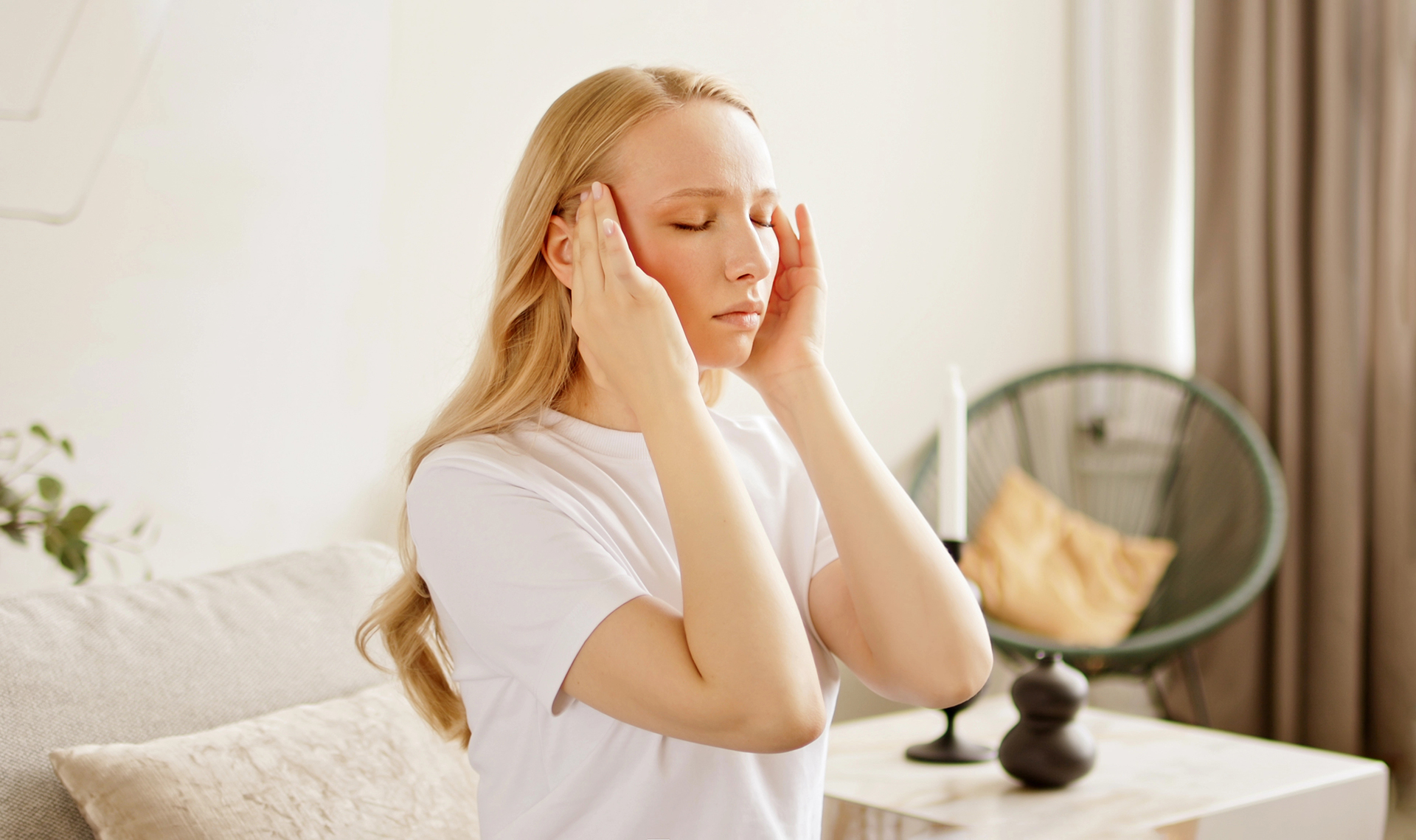
Morning Headaches
Repeated oxygen fluctuations can contribute to headaches upon waking.
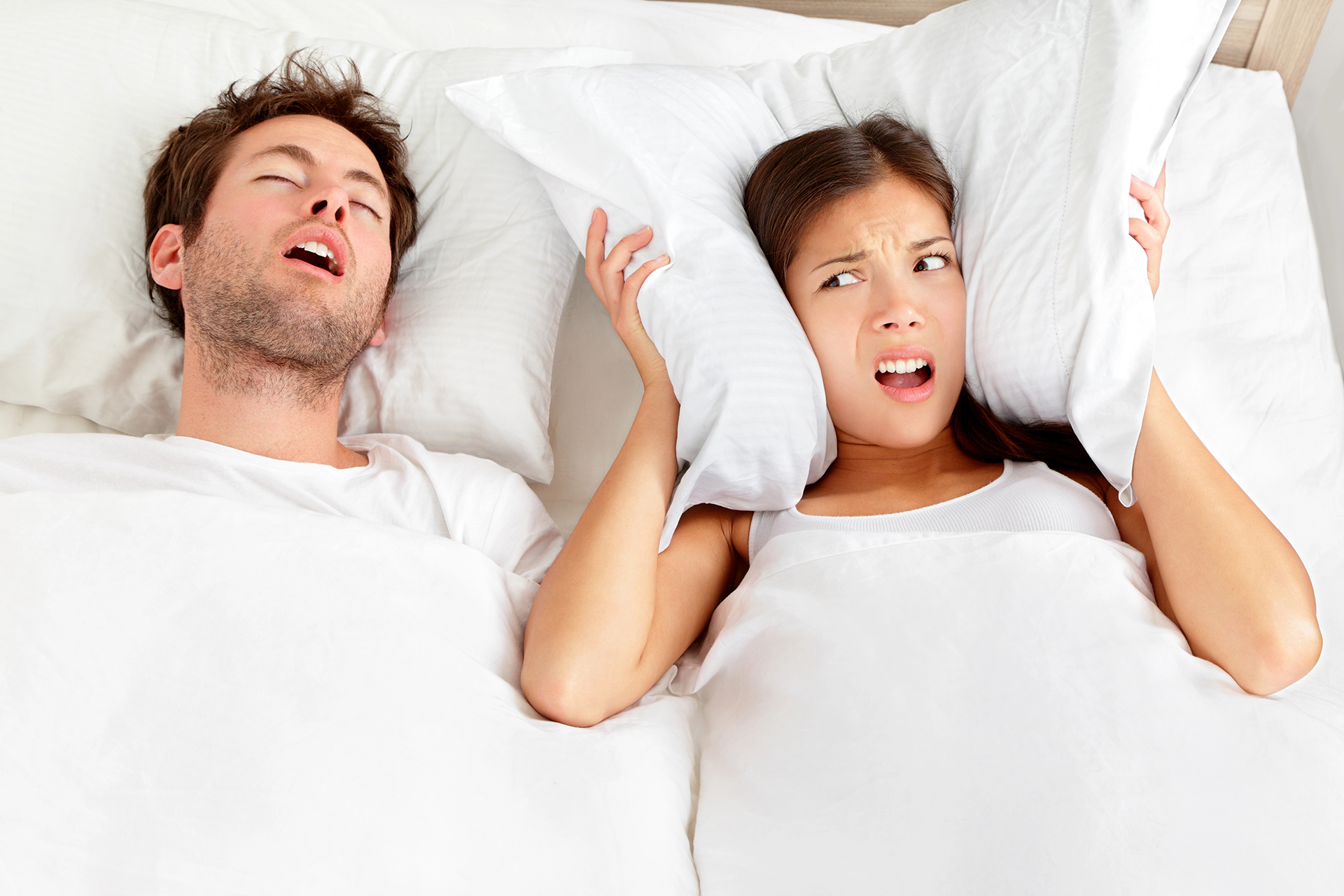
Witnessed Breathing Pauses
Bed partners often notice breathing interruptions before the patient does.
Difficulty Concentrating
Poor sleep quality can affect memory, focus, and productivity.
Irritability or Mood Changes
Sleep deprivation frequently impacts emotional well-being.
Dry Mouth Upon Waking
Mouth breathing and airway issues often contribute to morning dryness.
Why Sleep Apnea Matters
Untreated sleep apnea has been associated with:
- High blood pressure
- Cardiovascular disease
- Stroke
- Type 2 diabetes
- Cognitive decline
- Increased accident risk
Early diagnosis and treatment can help reduce these risks.
How Is Sleep Apnea Diagnosed?
A formal diagnosis requires sleep testing.
This may involve:
- Home sleep testing
- In-lab sleep studies
- Comprehensive sleep evaluations
The results help determine the severity of the condition and guide treatment recommendations.
Treatment Options
Treatment depends on the severity and cause of the airway obstruction.
Options may include:
- Oral appliance therapy
- CPAP therapy
- Weight management
- Airway-focused treatment
- Sleep habit improvements
Many patients benefit from a combination of approaches.
When Should You Seek Evaluation?
If you or a loved one experiences chronic snoring accompanied by fatigue, breathing pauses, headaches, or poor sleep quality, it may be time for further evaluation.
Addressing sleep apnea early can improve sleep, health, energy levels, and overall quality of life.
Better Sleep Starts With Answers
Snoring and sleep apnea are related, but they are not the same condition.
While occasional snoring may be harmless, persistent snoring combined with other symptoms deserves attention. Understanding the difference is the first step toward identifying potential problems and finding effective solutions.