
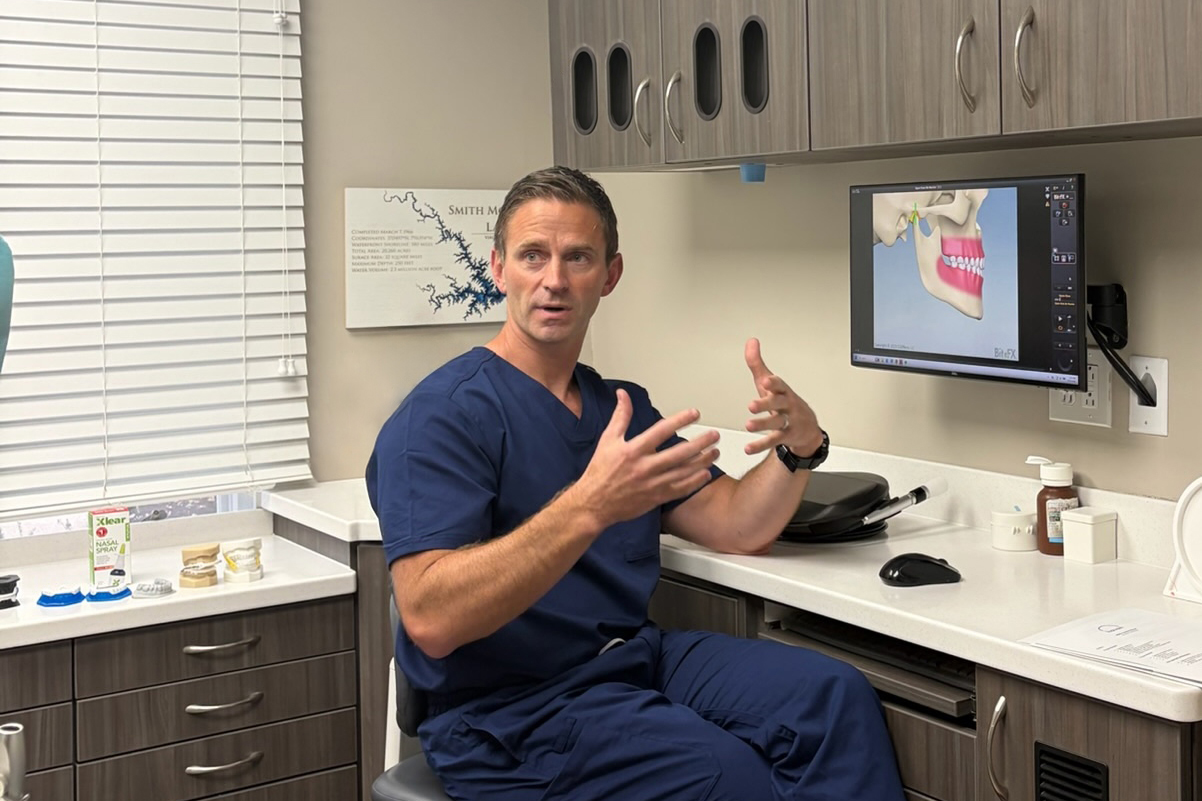
Understanding Orthotic Therapy
Patients diagnosed with TMJ disorders often hear the term “orthotic therapy” and wonder what it means.
Orthotic therapy involves the use of a custom-designed oral appliance that helps support a healthier jaw position and reduce strain on the temporomandibular joints and surrounding muscles.
Unlike over-the-counter mouthguards, these appliances are specifically designed based on a patient’s unique anatomy and functional needs.
Why Jaw Position Matters
The temporomandibular joints are among the most complex joints in the body.
When the jaw is not functioning optimally, excessive pressure may develop within the joints, muscles, and surrounding structures.
This strain can contribute to symptoms such as:
- Jaw pain
- Headaches
- Facial tension
- Neck discomfort
- Clicking or popping
- Limited jaw movement
Orthotic therapy aims to reduce these stresses and support healthier function.
How a Custom Orthotic Works
A custom orthotic is designed to fit comfortably over the teeth while helping guide the jaw into a more stable position.
By improving the relationship between the jaw joints, muscles, and bite, the appliance may help:
- Reduce muscle tension
- Decrease joint loading
- Improve comfort
- Promote more balanced jaw movement
The exact design depends on the patient’s diagnosis and treatment goals.
What Conditions Can Orthotic Therapy Help Treat?
Orthotic therapy is commonly used as part of a comprehensive treatment plan for:
- TMJ disorders
- Jaw pain
- Facial pain
- Chronic headaches
- Teeth grinding
- Jaw muscle tension
- Bite-related dysfunction
A thorough evaluation helps determine whether an orthotic is appropriate.
What to Expect During Treatment
Comprehensive Evaluation
Treatment begins with a detailed assessment of:
- Symptoms
- Jaw function
- Bite relationship
- Muscle activity
- Joint health
Advanced diagnostic tools may be used to gather additional information.
Appliance Fabrication
The orthotic is custom-made to fit the patient’s mouth precisely.
Because every patient is different, no two appliances are exactly alike.
Monitoring and Adjustments
Treatment does not end once the appliance is delivered.
Regular follow-up visits allow for adjustments and monitoring to ensure the orthotic continues to support optimal function.
How Long Does Treatment Take?
The timeline varies depending on the complexity of the condition and the individual’s response to treatment.
Some patients notice improvements relatively quickly, while others require a longer period of stabilization and monitoring.
The goal is not simply symptom reduction but long-term functional improvement.
Is Orthotic Therapy the Same as a Night Guard?
Not necessarily.
While both devices fit over the teeth, a therapeutic orthotic is designed with specific treatment objectives related to jaw function and joint health.
A standard night guard may protect teeth from grinding but may not address the underlying causes of TMJ dysfunction.
This distinction is one reason professional evaluation is important.
Long-Term Benefits
When used as part of a comprehensive treatment plan, orthotic therapy may help patients experience:
- Reduced jaw pain
- Fewer headaches
- Improved jaw movement
- Better comfort during chewing
- Decreased muscle tension
- Improved quality of life
Finding the Right Approach
TMJ disorders can affect every aspect of daily life, from eating and speaking to sleeping comfortably.
Orthotic therapy provides a conservative, non-surgical treatment option that helps many patients find meaningful relief.
A thorough evaluation can determine whether a custom orthotic may be an appropriate part of your path toward improved comfort and healthier jaw function.